
 مضمون
🕐 اکتوبر 2026
وَيُطْعِمُونَ الطَّعَامَ — فلاحِ انسانیت کی عظمت
قرآن، حدیث اور عظیم مفکرین کی روشنی میں خدمتِ خلق کا فلسفہ اور اس کی عظمت۔
مزید پڑھیں ←قرآن، حدیث اور خدمتِ خلق پر فکری تحریریں۔
مضمونقرآن، حدیث اور عظیم مفکرین کی روشنی میں خدمتِ خلق کا فلسفہ اور اس کی عظمت۔
مزید پڑھیں ←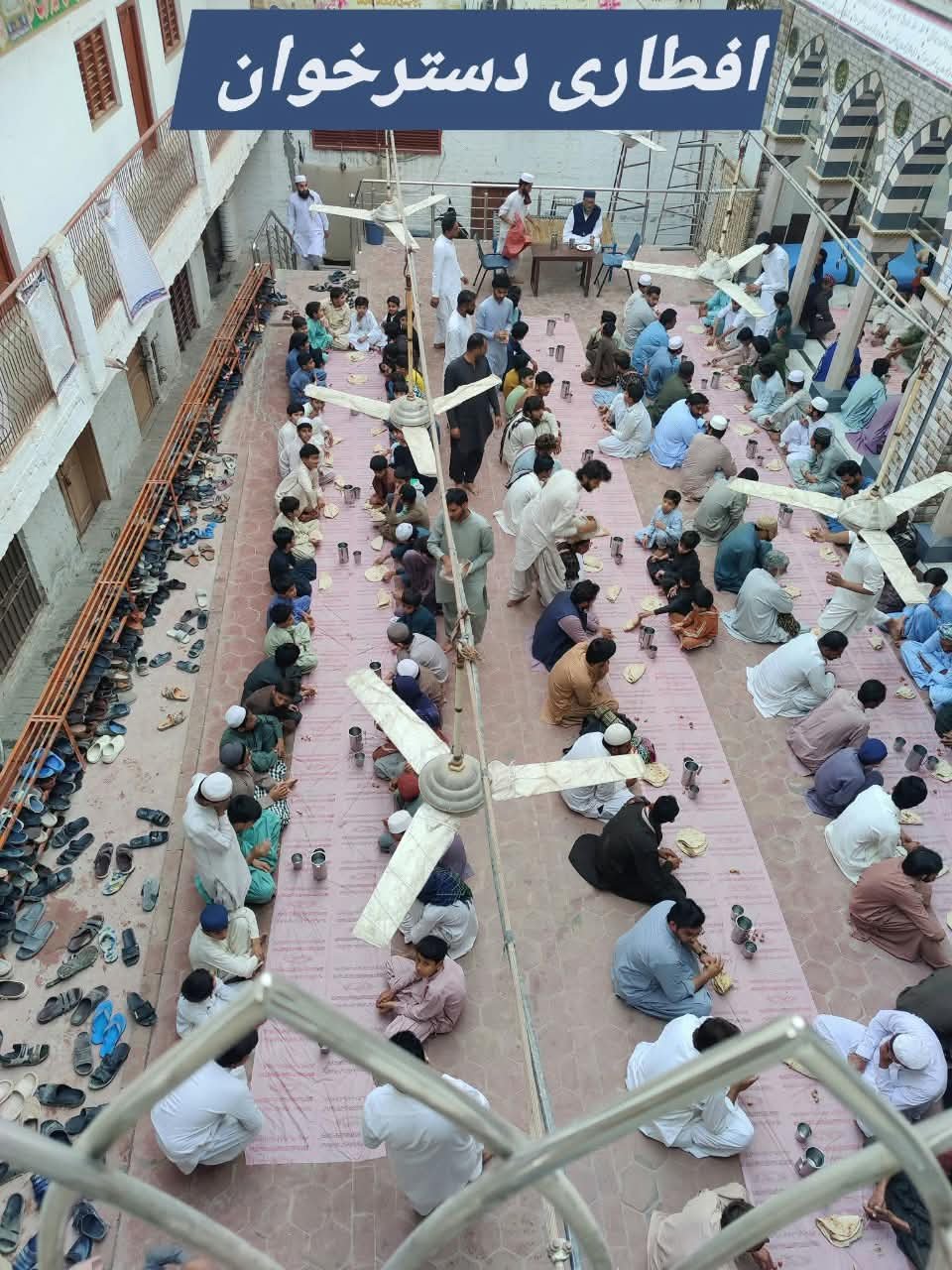 مضمون
قرضِ حسن کی تفسیر — اللہ کو قرض دینے کا مفہوم اور خدمتِ خلق کی فضیلت۔
مزید پڑھیں ←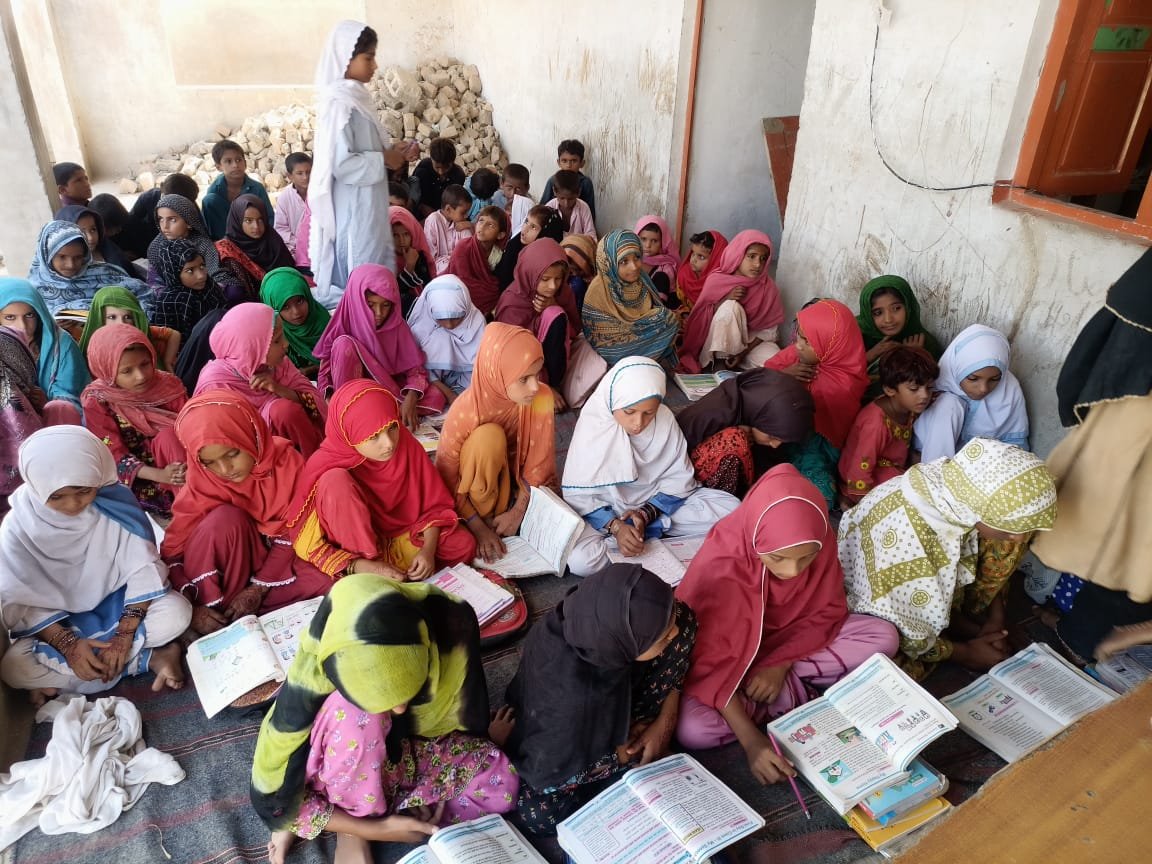 Blog
The complete English essay on the beautiful loan (Qard-e-Hasan) and serving humanity.
READ MORE →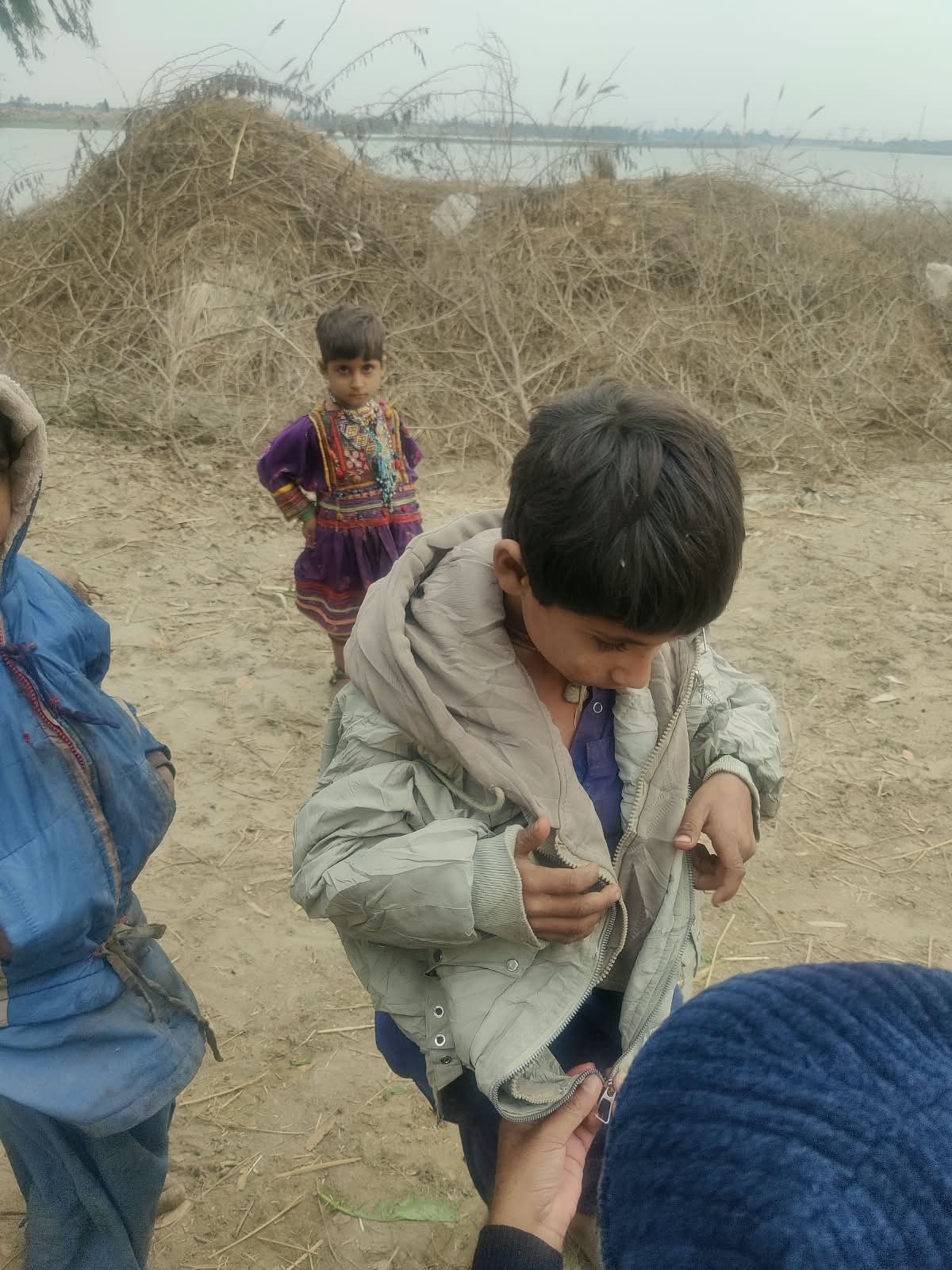 Blog
Winter is coming to South Punjab. See how just Rs 1,000 puts a warm sweater on a child — and how we plan to reach 900 children.
READ MORE →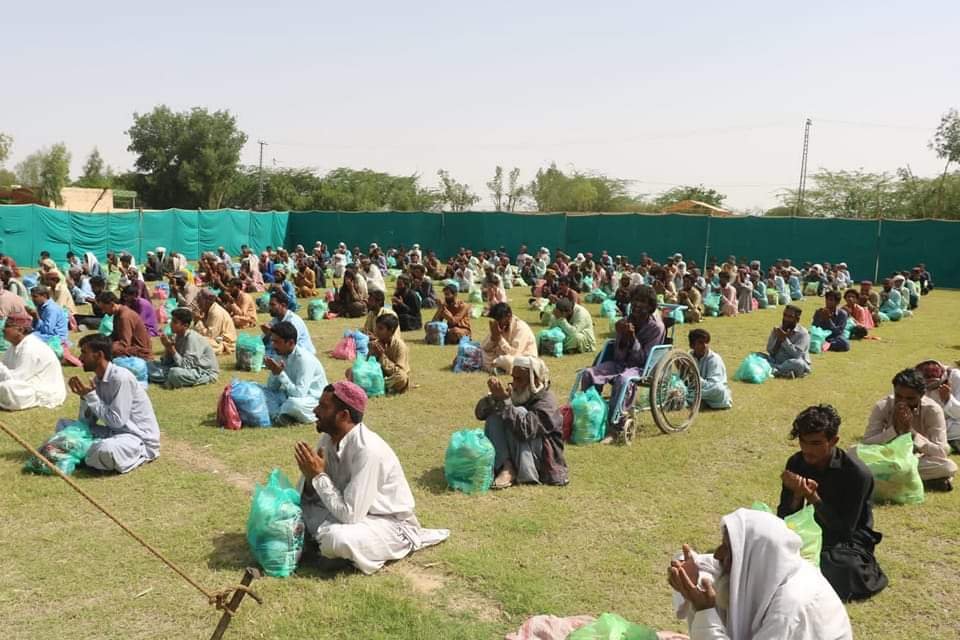 Blog
From your pocket to a child's classroom, a family's table, a village's water pump — follow one donation, step by step.
READ MORE →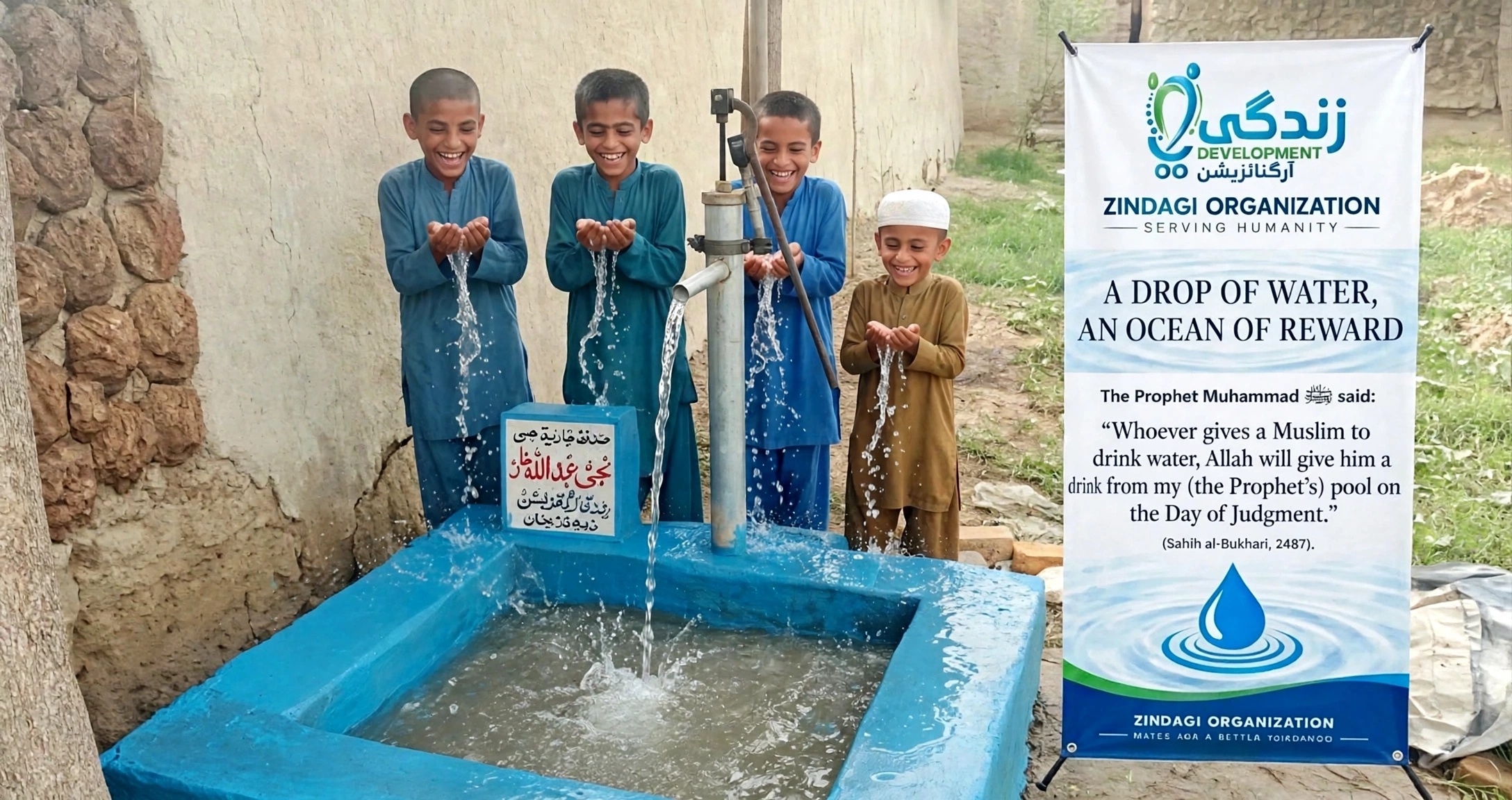 Blog
One hand pump costs Rs 32,000 — and flows for years. Why water is called the best charity, and what your pump really changes.
READ MORE →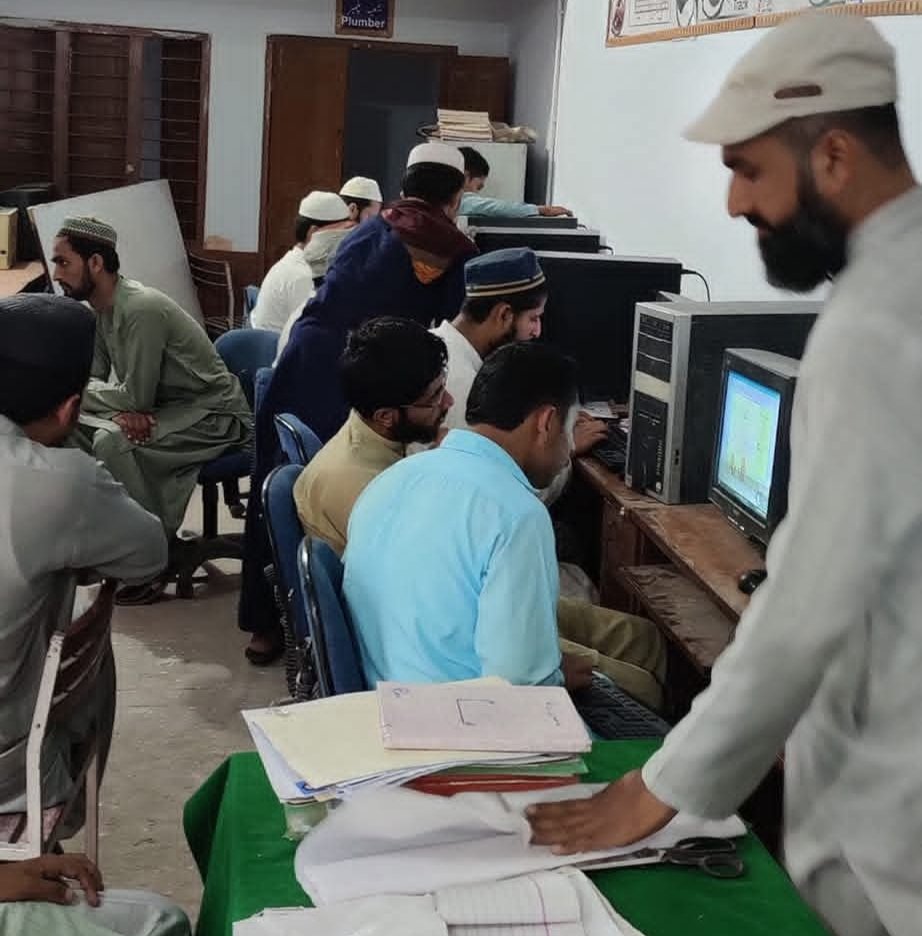 Blog
Computer, plumbing, tailoring — the skills at our vocational institute that turn students into earners with dignity.
READ MORE →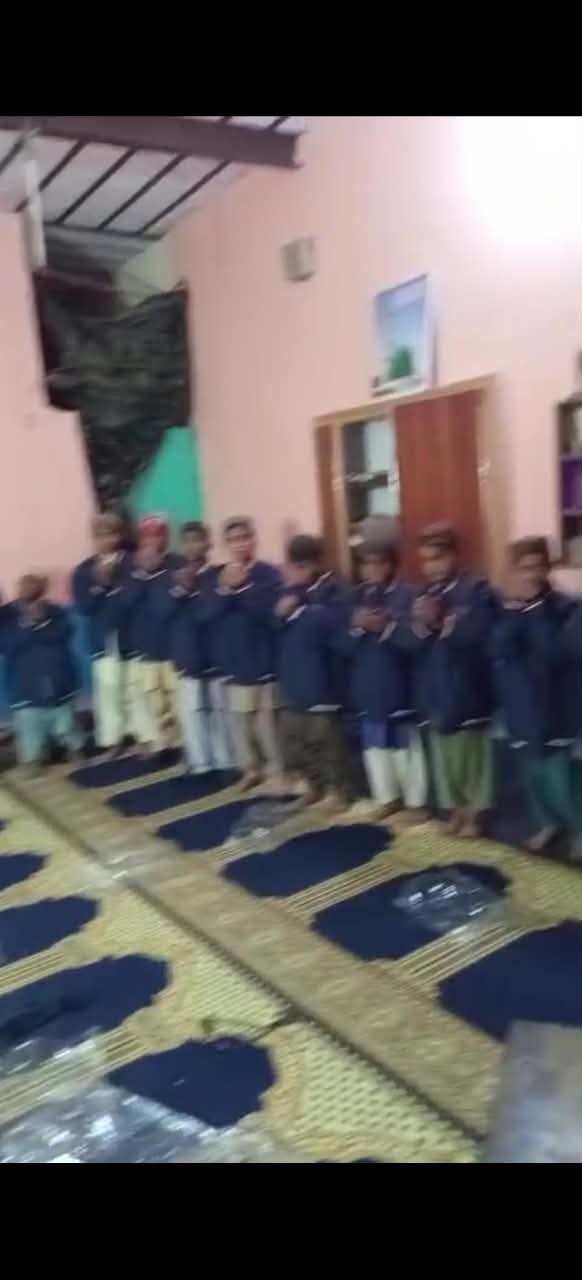 Blog
Books, teachers, meals and hope — a clear breakdown of what one child's monthly sponsorship provides at our 7 maktab schools.
READ MORE →وہ الفاظ جو احساس جگائیں اور نیکی کی طرف ایک قدم بڑھانے کا حوصلہ دیں۔
اللہ تعالیٰ سورۃ الدہر میں اپنے نیک بندوں کی صفت یوں بیان فرماتا ہے:
وَيُطْعِمُونَ الطَّعَامَ عَلَىٰ حُبِّهِ مِسْكِينًا وَيَتِيمًا وَأَسِيرًا (8) إِنَّمَا نُطْعِمُكُمْ لِوَجْهِ اللَّهِ لَا نُرِيدُ مِنكُمْ جَزَاءً وَلَا شُكُورًا (9)
''اور وہ کھانا کھلاتے ہیں، اس کی محبت کے باوجود، مسکین کو، یتیم کو اور قیدی کو۔ (اور کہتے ہیں) ہم تمہیں صرف اللہ کی رضا کے لیے کھلاتے ہیں، نہ تم سے کوئی بدلہ چاہتے ہیں نہ شکرگزاری۔''
غور کیجیے — یہ وہ لوگ ہیں جو خود کھانے کے محتاج ہونے کے باوجود دوسروں کو کھلاتے ہیں، اور بدلے میں شکریہ تک نہیں چاہتے۔ یہی فلاحی کام کی اصل روح ہے: بے لوث خدمت، صرف اللہ کے لیے۔
سورۃ البقرہ میں اللہ تعالیٰ صدقے کی برکت کی مثال بیان فرماتا ہے:
مَثَلُ الَّذِينَ يُنفِقُونَ أَمْوَالَهُمْ فِي سَبِيلِ اللَّهِ كَمَثَلِ حَبَّةٍ أَنبَتَتْ سَبْعَ سَنَابِلَ فِي كُلِّ سُنبُلَةٍ مِّائَةُ حَبَّةٍ
''جو لوگ اپنا مال اللہ کی راہ میں خرچ کرتے ہیں ان کی مثال اس دانے کی سی ہے جس سے سات بالیاں نکلیں اور ہر بالی میں سو دانے ہوں۔''
رسول اللہ ﷺ نے فرمایا: ''جب انسان مر جاتا ہے تو اس کے اعمال منقطع ہو جاتے ہیں سوائے تین چیزوں کے: صدقہ جاریہ، نفع بخش علم، اور نیک اولاد جو اس کے لیے دعا کرے۔'' (صحیح مسلم)
صدقہ جاریہ — وہ صدقہ جس کا ثواب آپ کی قبر میں بھی آپ کے لیے جاری رہے۔ ایک ہینڈ پمپ جس سے ہزاروں پیاسے پانی پئیں۔ ایک مکتب جہاں نسل در نسل بچے قرآن اور تعلیم حاصل کریں۔
اور فرمایا: ''آگ سے بچو، چاہے کھجور کے آدھے ٹکڑے کے صدقے سے ہی کیوں نہ ہو۔'' (بخاری)
مدر ٹریسا نے کہا: ''اہم یہ نہیں کہ آپ کتنا دیتے ہیں، بلکہ یہ کہ کتنی محبت سے دیتے ہیں۔''
ونسٹن چرچل نے کہا: ''ہم گزر بسر کرتے ہیں اس سے جو ہمیں ملتا ہے، لیکن زندگی بناتے ہیں اس سے جو ہم دیتے ہیں۔''
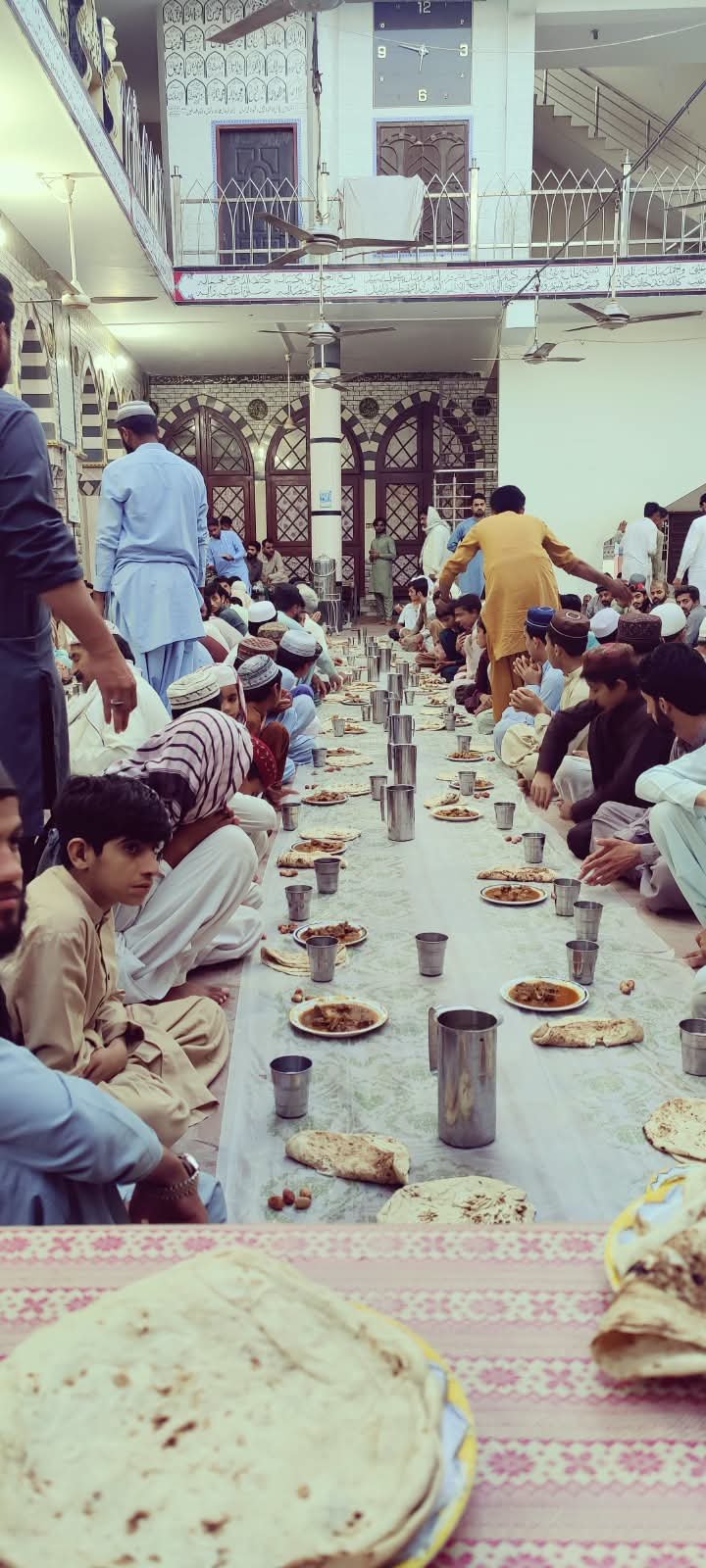
زندگی ڈویلپمنٹ آرگنائزیشن اسی پیغام پر عمل پیرا ہے: ڈیرہ غازی خان میں 7 مکتب، صاف پانی کے ہینڈ پمپ (صرف 32,000 روپے میں صدقہ جاریہ)، روزانہ سینکڑوں بچوں کے لیے دسترخوان، سردی میں مستحق بچوں کے لیے گرم سویٹر (صرف 1,000 روپے فی بچہ)، اور خواتین کے لیے سلائی سینٹر۔
آج ہی اس کارِ خیر میں اپنا حصہ ڈالیے۔ رابطہ: +92 340 7832333
المزید مضامین جلد آ رہے ہیں
بزرگوں کا قول ہے: "عبادت سے جنت ملتی ہے اور خدمت سے خدا ملتا ہے"
یہ ایک جملہ نہیں، بلکہ پورے دین کا خلاصہ ہے۔ عبادت بندے کو جنت کے دروازے تک لے جاتی ہے، مگر خدمتِ خلق بندے کو جنت کے مالک تک پہنچا دیتی ہے۔ مسجد میں جھکنے سے رب راضی ہوتا ہے، مگر کسی ٹوٹے ہوئے دل کو جوڑنے، کسی بھوکے کو کھلانے اور کسی مقروض کی راتوں کی نیند لوٹانے سے رب خود اس بندے کا بن جاتا ہے۔
قرآن نے اسی نکتے کو "قرضِ حسن" کے حسین استعارے میں سمو دیا ہے۔ ارشادِ ربانی ہے:
مَّن ذَا الَّذِي يُقْرِضُ اللَّهَ قَرْضًا حَسَنًا فَيُضَاعِفَهُ لَهُ أَضْعَافًا كَثِيرَةً
(البقرہ: 245) "کون ہے جو اللہ کو قرضِ حسن دے تاکہ اللہ اسے کئی گنا بڑھا کر لوٹائے۔"
کیسا کرم ہے! مال اسی کا، خزانے اسی کے، دل میں سخاوت کا خیال بھی اسی کا ڈالا ہوا، پھر بھی وہ اسے اپنا قرض کہہ رہا ہے۔ گویا فرما رہا ہے، اے میرے بندے! تو میری مخلوق کو دے، میں تجھے اپنا مقروض سمجھوں گا۔ اور جس کا مقروض خود بادشاہِ دو جہاں ہو جائے، اس کے خسارے کا کیا اندیشہ؟
صوفیاء فرماتے ہیں کہ ہر سکّہ صدقہ نہیں بنتا، وہی سکّہ قرضِ حسن بنتا ہے جو تین کسوٹیوں پر پورا اترے:
اول: نیت کا اخلاص: اس میں نہ شہرت کی ملاوٹ ہو، نہ ناموری کی خواہش۔ جیسے شبنم کا قطرہ پھول کی پنکھڑی پر گرتا ہے اور کوئی آہٹ نہیں ہوتی، ایسے ہی دائیں ہاتھ سے دے کہ بائیں ہاتھ کو خبر نہ ہو۔
دوم: محبوب شے کا ایثار: اللہ فرماتا ہے "لَن تَنَالُواْ الْبِرَّ حَتَّى تُنفِقُواْ مِمَّا تُحِبُّونَ"۔ پھٹی پرانی چیز دے کر جان چھڑا لینا سخاوت نہیں، اپنی سب سے پیاری چیز اللہ کے نام پر قربان کرنا جوانمردی ہے۔ اسی لیے حضرت ابو طلحہؓ نے اپنا سب سے قیمتی باغ "بیرحاء" اور حضرت ابو الدحداحؓ نے چھ سو کھجوروں والا اپنا آباد باغ، جس میں ان کے بچے کھیل رہے تھے، ایک آیت سن کر اللہ کو تھما دیا۔ بیوی کو باہر سے آواز دی، "ام الدحداح! اس باغ سے نکل آؤ، میں نے یہ باغ اپنے رب کو قرض دے دیا ہے"۔
سوم: عزتِ نفس کی حفاظت: صدقہ دے کر احسان نہ جتایا جائے۔ قرآن کہتا ہے "لاَ تُبْطِلُواْ صَدَقَاتِكُم بِالْمَنِّ وَالأذَى"۔ سخی وہ نہیں جو دے کر گنوائے، سخی وہ ہے جو دے کر بھول جائے۔ سفید پوش کا بھرم رکھنا، اس کی آنکھ میں شرمندگی کا پانی نہ آنے دینا، یہی اصل خدمت ہے۔
حدیثِ قدسی میں ہے، اللہ قیامت کے دن فرمائے گا: اے ابنِ آدم! میں بھوکا تھا تو نے مجھے نہیں کھلایا۔ بندہ کہے گا، اے رب! تو تو رب العالمین ہے، تجھے کیسے کھلاتا؟ اللہ فرمائے گا، میرا فلاں بندہ بھوکا تھا، اگر تو اسے کھلاتا تو مجھے وہیں پاتا۔
معلوم ہوا، عبادت میں بندہ خدا کے گھر جاتا ہے، اور خدمت میں خدا خود بندے کے گھر آ جاتا ہے۔
اسی لیے تو کہا گیا ہے:
سجدوں سے کیا ہوا کہ دل میں کینہ رہا
خدمتِ خلق سے تو خدا کا آئینہ رہا
آج جب ہمارے ارد گرد مفلسی کے مارے، قرض کے بوجھ تلے دبے اور یتیمی کے دکھ میں گھرے چہرے ہیں، تو یہی وقت ہے کہ ہم اپنی عبادتوں کو خدمت سے مہکائیں۔ کیونکہ قیامت کے دن ترازو میں صرف تسبیح کے دانے نہیں، کسی بیوہ کے آنسو پونچھنے والے ہاتھ بھی تولے جائیں گے۔
عبادت سے جنت ضرور ملے گی، مگر خدمت سے وہ جنت کا مالک مل جائے گا۔
ارشادِ ربّانی ہے: "کون شخص ہے جو اللہ تعالیٰ کو قرضِ حسن دے، تاکہ اللہ تعالیٰ اْسے کئی گنا بڑھاکر واپس کرے، مال کا گھٹانا اور بڑھانا سب اللہ ہی کے اختیار میں ہے، اور اسی کی طرف تمہیں پلٹ کر جانا ہے" (سورۃ البقرہ: 245)۔ کسی کو واپسی کی ضمانت کے ساتھ کچھ مال دینے کو قرض کہتے ہیں۔ مالکِ حقیقی اس سے قرض مانگ رہا ہے جس کے پاس اس کی امانت ہے، اور اس کا فضل و کرم ہے کہ اسے کئی گنا کر کے واپس کرے گا اور ساتھ ہی اجرِ کریم بھی عنایت کرے گا۔ اللہ کو قرضِ حسن دینے کا مطلب ہے اللہ کی راہ میں صدقہ و خیرات کرنا۔ یہ مال، جو انسان اللہ کی راہ میں خرچ کرتا ہے، اللہ ہی کا دیا ہوا ہے، اس کے باوجود اسے قرض قرار دینا، یہ اللہ کا فضل و احسان ہے کہ وہ اس انفاق پر اسی طرح اجر دے گا جس طرح قرض کی ادائیگی ضروری ہوتی ہے۔
یہ اللہ تعالیٰ کی شانِ کریمی ہے کہ آدمی اگر اس کے بخشے ہوئے مال کو خدمتِ خلق، غریب طبقے کی مالی مدد اور اسی کی راہ میں صرف کرے تو اسے وہ اپنے ذمہ قرض قرار دیتا ہے، بشرطیکہ وہ قرضِ حسن (اچھا قرض) ہو، یعنی خالص نیت کے ساتھ کسی ذاتی غرض کے بغیر دیا جائے، کسی قسم کی ریا کاری اور شہرت و ناموری کی طلب اس میں شامل نہ ہو، اسے دے کر کسی پر احسان نہ جتایا جائے، اس کا دینے والا صرف اللہ کی رضا کے لیے دے اور اس کے سوا کسی کے اجر اور کسی کی خوشنودی پر نگاہ نہ رکھے۔
قرضہ حسنہ دینے والوں سے اللہ تعالیٰ نے دو وعدے فرمائے۔ ایک یہ کہ اللہ اسے کئی گنا زیادہ کرکے واپس کرے گا۔ دنیا میں بھی ایسے خرچ کیے ہوئے مال کی واپسی کا اللہ نے وعدہ کر رکھا ہے اور آخرت میں تو سات سو گنا یا اس سے بڑھ کر بھی اضافہ ہوسکتا ہے۔ دوسرا وعدہ یہ کہ انہیں عمدہ اجر عطا کرے گا۔ یہ فقرہ اس حقیقت کی نشاندہی کرتا ہے کہ اگر اللہ تعالیٰ کے ہی عطا کردہ مال میں سے انسان اس مال کا کچھ حصہ اللہ تعالیٰ کے فرمان کے مطابق خرچ کردے تو انسان کو بدلہ ملنے کا حق کہاں ہوتا ہے، لیکن اس کے باوجود اللہ ایسے قرضِ حسنہ دینے والوں کو بہت عمدہ اجر عطا فرمائے گا۔
سورۂ آل عمران میں ارشادِ باری تعالیٰ ہے: "جب تک تم اپنی پسندیدہ چیز اللہ تعالیٰ کی راہ میں خرچ نہیں کرو گے، ہرگز بھلائی نہیں پاؤگے"۔ اللہ تعالیٰ نے قرآنِ کریم کی چھ آیات اور بارہ مقامات پر قرض کا ذکر فرمایا ہے اور ہر آیت میں قرض کو حسن کے ساتھ بیان کیا ہے۔ محتاج لوگوں کی مدد کرنے سے مال میں کمی واقع نہیں ہوتی، بلکہ اللہ تعالیٰ کی رضا کے لیے جو مال غریبوں، مسکینوں اور ضرورت مندوں کو دیا جاتا ہے، اللہ تعالیٰ اس میں کئی کئی گنا اضافہ فرماتا ہے، کبھی ظاہری طور پر، کبھی معنوی و روحانی طور پر اس میں برکت ڈال دیتا ہے، اور آخرت میں تو یقیناً اس میں حیران کن اضافہ ہوگا۔
آیت میں قرضِ حسن سے مراد درحقیقت یہ ہے: اللہ تعالیٰ کے راستے میں خرچ کرنا، غریبوں اور محتاجوں کی مدد کرنا، یتیموں اور بیواؤں کی کفالت کرنا، مقروضین کے قرضوں کی ادائیگی کرنا، نیز اپنے بچوں پر خرچ کرنا۔ غرضیکہ انسانیت کے کام آنے والی تمام شکلیں اس میں داخل ہیں۔ اسی طرح قرضِ حسن میں یہ شکل بھی داخل ہے کہ کسی پریشان حال شخص کو اس نیت کے ساتھ قرض دیا جائے کہ اگر وہ اپنی پریشانیوں کی وجہ سے واپس نہ کرسکا تو اس سے مطالبہ نہیں کیا جائے گا۔
حضرت عبد اللہ بن مسعودؓ فرماتے ہیں کہ جب قرضِ حسن سے متعلق آیت قرآنِ کریم میں نازل ہوئی تو حضرت ابو الدحداح انصاریؓ حضور اکرم ﷺ کی خدمت میں حاضر ہوئے اور عرض کیا: یا رسول اللہ ﷺ! کیا اللہ تعالیٰ ہم سے قرض طلب فرماتا ہے؟ آپ ﷺ نے فرمایا: ہاں۔ وہ عرض کرنے لگے: اپنا دستِ مبارک مجھے پکڑا دیجیے (تاکہ میں آپ کے دستِ مبارک پر ایک عہد کروں)۔ حضور اکرم ﷺ نے اپنا دستِ مبارک دراز کیا۔ حضرت ابو الدحداح انصاریؓ نے معاہدے کے طور پر حضور اکرم ﷺ کا دستِ مبارک پکڑ کر عرض کیا: یا رسول اللہ ﷺ! میں نے اپنا باغ اپنے اللہ کو قرض دے دیا۔ ان کے باغ میں کھجور کے 600 درخت تھے، اور اسی باغ میں ان کے بیوی بچے رہتے تھے۔ وہ وہاں سے اٹھ کر اپنے باغ میں گئے اور اپنی بیوی ام الدحداح کو آواز دے کر کہا کہ چلو اس باغ سے نکل چلو، یہ باغ میں نے اپنے رب کو دے دیا ہے۔ (تفسیر ابن کثیر)
جو لوگ اپنا مال اللہ تعالیٰ کی راہ میں خرچ کرتے ہیں، اس کی مثال اس دانے جیسی ہے جس میں سے سات بالیاں نکلیں اور ہر بالی میں سو دانے ہوں، اور اللہ تعالیٰ جسے چاہے بڑھا چڑھا کر دے، اور اللہ تعالیٰ کشادگی والا اور علم والا ہے۔ (سورۃ البقرہ: 261)
ان لوگوں کی مثال جو اپنا مال اللہ تعالیٰ کی رضامندی کی طلب میں دل کی خوشی اور یقین کے ساتھ خرچ کرتے ہیں، اس باغ جیسی ہے جو اونچی زمین پر ہو، اور زوردار بارش اس پر برسے اور وہ اپنا پھل دگنا دے، اور اگر اس پر بارش نہ بھی برسے تو پھوار ہی کافی ہے، اور اللہ تمہارے کام دیکھ رہا ہے۔ (سورۃ البقرہ: 265)
جس قدر خلوص کے ساتھ ہم اللہ تعالیٰ کے راستے میں مال خرچ کریں گے، اتنا ہی اللہ تعالیٰ کی طرف سے اس کا اجر و ثواب زیادہ ہوگا۔ ایک ریال بھی اگر اللہ تعالیٰ کی خوشنودی کے لیے کسی محتاج کو دیا جائے گا، تو اللہ تعالیٰ 700 گنا بلکہ اس سے بھی زیادہ ثواب دے گا۔ مذکورہ بالا آیت کے آخر میں اللہ تعالیٰ کی دو صفات ذکر کی گئی ہیں: وسیع اور علیم۔ یعنی اس کا ہاتھ تنگ نہیں ہے کہ جتنے اجر کا عمل مستحق ہے، وہی دے، بلکہ وہ اس سے بھی زیادہ دے گا۔ دوسرے یہ کہ وہ علیم ہے کہ جو کچھ خرچ کیا جاتا ہے اور جس جذبے سے کیا جاتا ہے، اس سے بے خبر نہیں ہے بلکہ اس کا اجر ضرور دے گا۔
جن حضرات کو قرضِ حسن اور صدقات دیے جاسکتے ہیں، ان میں غریب رشتے دار، یتیم، بیوہ، فقیر، مسکین، سائل، قرض دار یعنی وہ شخص جس کے ذمہ لوگوں کا قرض ہو، اور وہ مسافر جو حالتِ سفر میں تنگدست ہوگیا ہو، جیسا کہ اللہ تعالیٰ فرماتا ہے: جو مال سے محبت کرنے کے باوجود رشتے داروں، یتیموں، مسکینوں، مسافروں اور سوال کرنے والے کو دے۔ (سورۃ البقرہ: 177)۔ ان کے مال میں مانگنے والے اور محروم کا حق ہے۔ (سورۃ الذاریات: 19)
جب تک تم اپنی پسندیدہ چیز اللہ تعالیٰ کی راہ میں خرچ نہیں کرو گے ہرگز بھلائی نہیں پاؤگے۔ (سورۂ آل عمران: 92)۔ ایک مقام پر فرمایا گیا: اے ایمان والو! اپنی پاکیزہ کمائی میں سے خرچ کرو۔ (سورۂ البقرہ: 267)
حضرت ابوطلحہؓ حضور اکرم ﷺ کی خدمت میں حاضر ہوئے اور عرض کیا: یا رسول اللہ ﷺ! اللہ تعالیٰ نے محبوب چیز کے خرچ کرنے کا ذکر فرمایا ہے، اور مجھے ساری چیزوں میں اپنا باغ سب سے زیادہ محبوب ہے، میں اسے اللہ کے لیے صدقہ کرتا ہوں اور اس کے اجر و ثواب کی اللہ تعالیٰ سے امید رکھتا ہوں۔ حضور اکرم ﷺ نے فرمایا: اے طلحہؓ! تم نے بہت ہی نفع کا سودا کیا۔ ایک دوسری حدیث میں ہے کہ حضرت ابو طلحہؓ نے عرض کیا: یا رسول اللہ ﷺ! میرا باغ جو اتنی بڑی مالیت کا ہے، وہ صدقہ ہے اور اگر میں اس کی طاقت رکھتا کہ کسی کو اس کی خبر نہ ہو تو ایسا ہی کرتا، مگر یہ ایسی چیز نہیں ہے جو مخفی رہ سکے۔ (تفسیر ابن کثیر)
حضرت ابو طلحہؓ کا یہ جذبہ دراصل اس آیت کی عملی تفسیر تھا: "لَن تَنَالُواْ الْبِرَّ حَتَّى تُنفِقُواْ مِمَّا تُحِبُّونَ"۔ صحابہ کرام رضی اللہ عنہم نے محبوب چیز کو اللہ کی راہ میں دے کر یہ ثابت کیا کہ مال کی محبت دل میں نہیں، اللہ کی محبت دل میں ہے۔
اسلام نے خدمتِ خلق اور قرضِ حسن کے کچھ آداب بھی سکھائے ہیں تاکہ اس کا ثواب ضائع نہ ہو۔
1۔ احسان نہ جتانا: قرآنِ کریم میں ہے: "يَا أَيُّهَا الَّذِينَ آمَنُواْ لاَ تُبْطِلُواْ صَدَقَاتِكُم بِالْمَنِّ وَالأذَى" (البقرہ: 264) یعنی اپنے صدقات کو احسان جتا کر اور تکلیف دے کر ضائع نہ کرو۔
2۔ پوشیدہ طور پر دینا افضل ہے: ارشاد ہے "إِن تُبْدُواْ الصَّدَقَاتِ فَنِعِمَّا هِيَ وَإِن تُخْفُوهَا وَتُؤْتُوهَا الْفُقَرَاء فَهُوَ خَيْرٌ لَّكُمْ" (البقرہ: 271) اگر اعلانیہ دو تو بھی اچھا ہے، لیکن اگر چھپا کر فقیروں کو دو تو یہ تمہارے لیے زیادہ بہتر ہے۔ اس لیے کہ اس میں ریا کاری سے حفاظت زیادہ ہے۔
3۔ ضرورت مند کی عزتِ نفس کا خیال: دینے کا انداز ایسا ہو کہ لینے والے کو شرمندگی نہ ہو۔ اسی لیے شریعت میں سفید پوش لوگوں کو تلاش کر کے دینے کا حکم ہے۔ "يَحْسَبُهُمُ الْجَاهِلُ أَغْنِيَاء مِنَ التَّعَفُّفِ" (البقرہ: 273) ناواقف انہیں سوال سے بچنے کی وجہ سے مالدار سمجھتا ہے۔
اسلام صرف عبادات کا نام نہیں، بلکہ حقوق العباد اس کا اہم ترین حصہ ہے۔ نبی کریم ﷺ نے فرمایا: "الخلق عیال اللہ فاحب الخلق الی اللہ من احسن الی عیالہ" (مخلوق اللہ کا کنبہ ہے، اللہ کو سب سے زیادہ محبوب وہ ہے جو اس کے کنبے کے ساتھ اچھا سلوک کرے)۔
ایک اور حدیث میں ہے: "من نفس عن مومن کربۃ من کرب الدنیا نفس اللہ عنہ کربۃ من کرب یوم القیامہ" (جو کسی مومن کی دنیاوی تکلیف دور کرے گا، اللہ قیامت کے دن اس کی تکلیف دور فرمائے گا)۔ (صحیح مسلم)
آج مہنگائی، بیروزگاری اور افلاس نے غریب طبقے کی کمر توڑ دی ہے۔ ایسے میں صاحبِ حیثیت مسلمانوں پر لازم ہے کہ وہ اپنے مال میں سے غریبوں، یتیموں، بیواؤں، دینی مدارس کے طلباء اور مقروض لوگوں کا حصہ نکالیں۔ یہی وہ قرضِ حسن ہے جو کل قیامت کے دن سات سو گنا سے بھی زیادہ ہو کر ہمارے سامنے آئے گا۔
یاد رکھیں! قبر میں مال ساتھ نہیں جائے گا، بلکہ وہی مال کام آئے گا جو اللہ کی راہ میں دے کر آگے بھیج دیا۔ اللہ تعالیٰ ہمیں اخلاص کے ساتھ خدمتِ خلق اور غریبوں کی کفالت کی توفیق عطا فرمائے۔ آمین۔
The elders said: "Worship earns you Paradise, and serving others earns you God."
This is not just a sentence — it is the essence of the entire religion. Worship takes a person to the gates of Paradise, but serving creation brings a person to the Owner of Paradise Himself. Bowing in the mosque pleases the Lord, but mending a broken heart, feeding the hungry, and returning sleep to a debtor's nights makes the Lord become that servant's own.
The Quran captured this point in the beautiful metaphor of Qarz-e-Hasan (the beautiful loan). Allah says:
مَّن ذَا الَّذِي يُقْرِضُ اللَّهَ قَرْضًا حَسَنًا فَيُضَاعِفَهُ لَهُ أَضْعَافًا كَثِيرَةً
"Who is it that will lend Allah a beautiful loan, so He multiplies it for him manifold?" (Al-Baqarah: 245)
What generosity! The wealth is His, the treasures are His, even the thought of charity in the heart is placed by Him — yet He calls it His loan. As if He says: O My servant! Give to My creation, and I will consider Myself your debtor. And one whose debtor is the King of both worlds — what fear of loss can he have?
The saints say that not every coin becomes charity — only the coin that passes three tests becomes Qarz-e-Hasan:
First: Sincerity of intention. No trace of fame, no desire for recognition. Just as a dewdrop falls on a flower petal without a sound, give with the right hand so the left hand does not know.
Second: Sacrifice of what you love. Allah says: "لَن تَنَالُواْ الْبِرَّ حَتَّى تُنفِقُواْ مِمَّا تُحِبُّونَ" — "You will never attain righteousness until you spend from what you love." Handing over worn-out things is not generosity; sacrificing your dearest possession in Allah's name is true nobility. That is why Abu Talha (RA) gave his most precious garden "Bairuha", and Abu al-Dahdah (RA) gave his flourishing garden of six hundred date palms — where his children played — upon hearing a single verse. He called to his wife from outside: "Umm al-Dahdah! Come out of this garden — I have lent it to my Lord."
Third: Protecting the recipient's dignity. Never remind of the favor. The Quran says: "لاَ تُبْطِلُواْ صَدَقَاتِكُم بِالْمَنِّ وَالأذَى" — "Do not nullify your charities with reminders and hurt." The generous one is not he who gives and counts, but he who gives and forgets. Preserving the honor of the dignified poor, never letting shame fill their eyes — this is true service.
In a sacred hadith, Allah will say on the Day of Judgment: O son of Adam! I was hungry and you did not feed Me. The servant will say: O Lord! You are the Lord of the worlds — how could I feed You? Allah will say: My such-and-such servant was hungry; had you fed him, you would have found Me there.
So in worship, the servant goes to God's house — but in service, God Himself comes to the servant's house.
Today, when faces struck by poverty, crushed under debt, and wrapped in the grief of orphanhood surround us, this is the time to perfume our worship with service. For on the Day of Judgment, the scale will weigh not only the beads of the rosary, but also the hands that wiped a widow's tears.
Worship will surely earn Paradise — but service will earn the Owner of Paradise.
Allah says: "Who is it that will lend Allah a beautiful loan, so that Allah returns it multiplied manifold? Decreasing and increasing wealth is entirely in Allah's control, and to Him you shall return." (Al-Baqarah: 245) Giving wealth with a guarantee of return is called a loan. The True Owner is asking for a loan from the one holding His trust — and it is His grace that He will return it multiplied, along with a noble reward. Lending Allah the beautiful loan means spending in charity in His path. This wealth that a person spends is itself Allah's gift — yet calling it a loan is Allah's favor, for He will reward this spending just as repaying a loan is obligatory.
It is Allah's noble generosity that when a person spends His gifted wealth in serving creation, helping the poor, and in His path, He counts it as a loan upon Himself — provided it is a beautiful loan: given with pure intention, without personal motive, free of showmanship and desire for fame, never reminding the recipient of the favor, seeking only Allah's pleasure and no other's reward.
Allah made two promises to givers of the beautiful loan. First: He will return it multiplied manifold — in this world too, Allah has promised the return of such spending, and in the Hereafter it may grow seven hundred times or more. Second: He will grant them an excellent reward. This phrase points to a profound truth: when a person spends a portion of Allah's own gifted wealth according to His command, where is the person's right to a reward? Yet despite this, Allah will grant givers of the beautiful loan a most excellent reward.
In Surah Al-Imran Allah says: "You will never attain righteousness until you spend from what you love." Allah mentioned the loan in six verses and twelve places in the Quran, and in every verse He paired it with "beautiful". Helping the needy does not decrease wealth — rather, wealth given to the poor, the destitute and the needy for Allah's pleasure is multiplied by Allah many times over: sometimes visibly, sometimes through unseen spiritual blessing, and in the Hereafter certainly with astonishing increase.
What is meant by the beautiful loan in the verse? In truth it means: spending in Allah's path, helping the poor and needy, caring for orphans and widows, paying off debtors' debts, and spending on one's own children. In short, every form of benefiting humanity is included. Also included is lending to a distressed person with the intention that if he cannot repay due to his hardship, no demand will be made.
Abdullah bin Masud (RA) narrates: when the verse about the beautiful loan was revealed, Abu al-Dahdah al-Ansari (RA) came to the Prophet ﷺ and said: O Messenger of Allah! Does Allah ask us for a loan? He ﷺ said: Yes. He said: Give me your blessed hand (so I may pledge upon it). The Prophet ﷺ extended his blessed hand, and Abu al-Dahdah (RA) grasped it as a covenant and said: O Messenger of Allah! I have lent my garden to my Allah. His garden had six hundred date palms, and his wife and children lived in it. He rose from there, went to his garden, and called to his wife Umm al-Dahdah: Come out of this garden — I have given it to my Lord. (Tafsir Ibn Kathir)
"The example of those who spend their wealth in Allah's path is like a grain that sprouts seven ears, and in each ear a hundred grains — and Allah multiplies for whom He wills, and Allah is All-Encompassing, All-Knowing." (Al-Baqarah: 261)
"The example of those who spend their wealth seeking Allah's pleasure, with happiness and certainty of heart, is like a garden on high ground: heavy rain falls on it and it yields its fruit doubled — and if no rain falls, even a drizzle suffices. And Allah sees what you do." (Al-Baqarah: 265)
The more sincerely we spend in Allah's path, the greater the reward from Him. Even one riyal given to a needy person for Allah's pleasure earns seven hundred times or more. At the end of the verse, two of Allah's attributes are mentioned: the All-Encompassing (Wasi') and the All-Knowing (Aleem). His hand is not tight — He gives more than the deed deserves. And He is All-Knowing — nothing spent, and no motive behind it, is hidden from Him; He will surely reward it.
Those who may receive the beautiful loan and charity include: poor relatives, orphans, widows, the beggar, the destitute, the asker, the debtor — one burdened with others' debts — and the traveler stranded in need, as Allah says: those "who give, despite love of wealth, to relatives, orphans, the needy, travelers, and those who ask." (Al-Baqarah: 177) "And in their wealth is a right for the asker and the deprived." (Adh-Dhariyat: 19)
"You will never attain righteousness until you spend from what you love." (Al-Imran: 92) And elsewhere: "O believers! Spend from the pure of what you have earned." (Al-Baqarah: 267)
Abu Talha (RA) came to the Prophet ﷺ and said: O Messenger of Allah! Allah mentioned spending what is beloved, and my garden is the dearest of all my possessions — I give it as charity for Allah, hoping for its reward from Him. The Prophet ﷺ said: O Talha! You have made a most profitable bargain. In another narration, Abu Talha (RA) said: O Messenger of Allah! My garden of such great value is charity — and had I the power to keep it hidden from all, I would, but this is not something that can stay hidden. (Tafsir Ibn Kathir)
Abu Talha's spirit was the living commentary of the verse "لَن تَنَالُواْ الْبِرَّ حَتَّى تُنفِقُواْ مِمَّا تُحِبُّونَ" — the Companions proved by giving what they loved that love of wealth was not in their hearts; love of Allah was.
Islam also taught etiquettes of serving creation and the beautiful loan, so its reward is not wasted.
1. Never remind of the favor: "يَا أَيُّهَا الَّذِينَ آمَنُواْ لاَ تُبْطِلُواْ صَدَقَاتِكُم بِالْمَنِّ وَالأذَى" (Al-Baqarah: 264) — do not nullify your charities with reminders and hurt.
2. Giving secretly is better: "إِن تُبْدُواْ الصَّدَقَاتِ فَنِعِمَّا هِيَ وَإِن تُخْفُوهَا وَتُؤْتُوهَا الْفُقَرَاء فَهُوَ خَيْرٌ لَّكُمْ" (Al-Baqarah: 271) — if you give openly it is good, but concealing it for the poor is better for you, for it is safer from showmanship.
3. Guard the recipient's dignity: Give in a way that brings no shame — that is why the Shariah commands seeking out the dignified poor. "يَحْسَبُهُمُ الْجَاهِلُ أَغْنِيَاء مِنَ التَّعَفُّفِ" (Al-Baqarah: 273) — the ignorant think them rich because of their restraint.
Islam is not only worship; the rights of people are its most important part. The Prophet ﷺ said: "Creation is Allah's family, and the most beloved of creation to Allah is the one who treats His family best."
And: "Whoever relieves a believer of a worldly hardship, Allah will relieve him of a hardship on the Day of Judgment." (Sahih Muslim)
Today, inflation, unemployment and poverty have broken the backs of the poor. In such times, it is incumbent upon well-off Muslims to set aside from their wealth a share for the poor, orphans, widows, students of religious schools, and debtors. This is the beautiful loan that will return to us on Judgment Day multiplied more than seven hundred times.
Remember! Wealth will not accompany you to the grave — only the wealth you sent ahead in Allah's path will avail. May Allah grant us the ability to serve creation with sincerity and care for the poor. Ameen.
Join this noble work today. Contact: +92 340 7832333
When the cold winds sweep down into Dera Ghazi Khan, most of us reach for a warm blanket without a second thought. But in the villages around us, there are children who face the winter in the same thin clothes they wore all summer. For a poor family that struggles to arrange two meals a day, a warm sweater for every child is simply beyond reach.
A sweater is a small thing — until you don't have one. A child who sleeps cold wakes up sick. A child who shivers through the morning cannot concentrate in class. What looks like a small piece of clothing is, in truth, protection for health, for education, and for a family's dignity.
Our winter campaign is simple: one warm sweater costs just Rs 1,000. Our goal this winter is to reach 900 children studying in our institutions and living in the deserving villages we serve. Every sweater is bought, packed and delivered by our own team — and the smile of the child who receives it is the receipt no paper can match.
Your Zakat and Sadqah are eligible for this campaign. The Prophet Muhammad ﷺ said that the most beloved deeds to Allah are those done most consistently, even if small. Rs 1,000 is small. But to the child wearing it on a freezing morning, it is everything.
Every donor deserves an honest answer to one question: where does my money actually go? At Zindagi Development Organization, we believe trust is built by showing the journey — not just asking for the donation. So let us walk with a single donation, step by step.
Step one — it reaches real hands. Your donation arrives through our official channels and is recorded against the cause you chose: education, water, food, or general welfare. Nothing disappears into "administration." Our team works on the ground in Dera Ghazi Khan, and our running costs are kept as lean as possible so your money reaches the field.
Step two — it becomes something you can touch. A donation for education becomes books, a teacher's salary, a warm classroom. A donation for water becomes pipes, a pump head, and cool clean water in a village that walked miles for it. A donation for food becomes flour, oil and rice on a family's table — or a hot meal at our dastarkhwan.
Step three — it keeps working. A hand pump flows for years. A student who learns tailoring earns for a lifetime. A child who finishes school changes the future of an entire family. That is why the scholars call charity given with sincerity Sadqah Jariyah — a reward that continues long after the giving.
We invite every donor to visit, to ask, and to see. Your Amanat (trust) is sacred to us — and its journey should never be a mystery.
There is a reason the Prophet Muhammad ﷺ called giving water the best form of charity. Water is not a luxury — it is the first need of every living being, every single day. And in the dry belts of South Punjab, thousands of families still depend on distant, unsafe sources for every drop.
What one hand pump changes: A single hand pump, installed for Rs 32,000, serves an entire cluster of families. Women and young girls — who carry the heaviest burden of fetching water — get hours of their lives back. Children stop missing school. Waterborne diseases fall. A whole village breathes easier.
Why it is Sadqah Jariyah: Most charity is consumed once — a meal is eaten, a blanket wears out. A hand pump is different. It flows morning and evening, year after year. Every glass of water drawn from it carries reward to the one who gave it — even after they have left this world. Many of our donors install pumps in the names of their parents and loved ones, and the plaque on the pump keeps that name alive in the village's prayers.
When a child cups her hands under your pump and drinks, she will never know your name. But the One who counts every drop knows it well.
There is an old truth our elders repeat: give a man a meal and you feed him for a day; teach him a skill and you feed him for life. At Zindagi's vocational training institute in Dera Ghazi Khan, that truth is our curriculum.
What our students learn: Our institute runs practical courses chosen for one reason — they lead to real income. Computer courses open the door to office work, freelancing and the digital economy. Plumbing is a trade every town needs, every single day. Tailoring gives students — including young women at our stitching centers — a skill they can practice from home with dignity.
Why dignity matters: Our students are not looking for pity. They are talented, hardworking young people who simply never got a chance. A certificate, a set of tools, a first customer — and a family that once queued for ration begins to stand on its own feet. Some of our graduates are the first earners their families have ever had.
Your donation can sponsor a student's complete course. Long after the course ends, the skill remains — earning, providing, and quietly repaying your kindness in prayers you will never hear.
People often ask us: what does it actually cost to keep one poor child in school for a month? The honest answer surprises many — because at our seven maktab schools in Dera Ghazi Khan, Rs 8,000 a month covers far more than most people expect.
Where the Rs 8,000 goes: It contributes to the teacher who shows up every morning for children the world has overlooked. It covers books, notebooks and learning materials. It keeps the classroom running — and ensures the child receives both Quranic education and the basic worldly education every child deserves. Across all our institutions, around 900 children are studying today, most of them completely free.
Why monthly matters: A one-time gift is beautiful, but a school runs every month. Rent, salaries and supplies do not pause. A monthly sponsor gives a child something poverty rarely allows: continuity. The child knows the classroom will be there tomorrow. The teacher knows the salary will come. That stability is what turns attendance into education, and education into a future.
The Prophet Muhammad ﷺ placed the one who sponsors an orphan beside himself in Paradise. Sponsoring a child's education carries the same spirit — you are not funding a month; you are standing behind a childhood.